

Writing “Samodiva”
When I realized what my book was going to be about, I got goosebumps. Literally.

The more I sunk into the historical research, the more overwhelmed I became as it immediately clicked to me that I needed to write this book. I felt deeply connected to the topic. I hope that through this substack space, I’d be able to bring you closer to a world you may not be familiar with, and illuminate you with the fantastic pagan culture of Eastern Europe.
1. Why “Samodiva”?
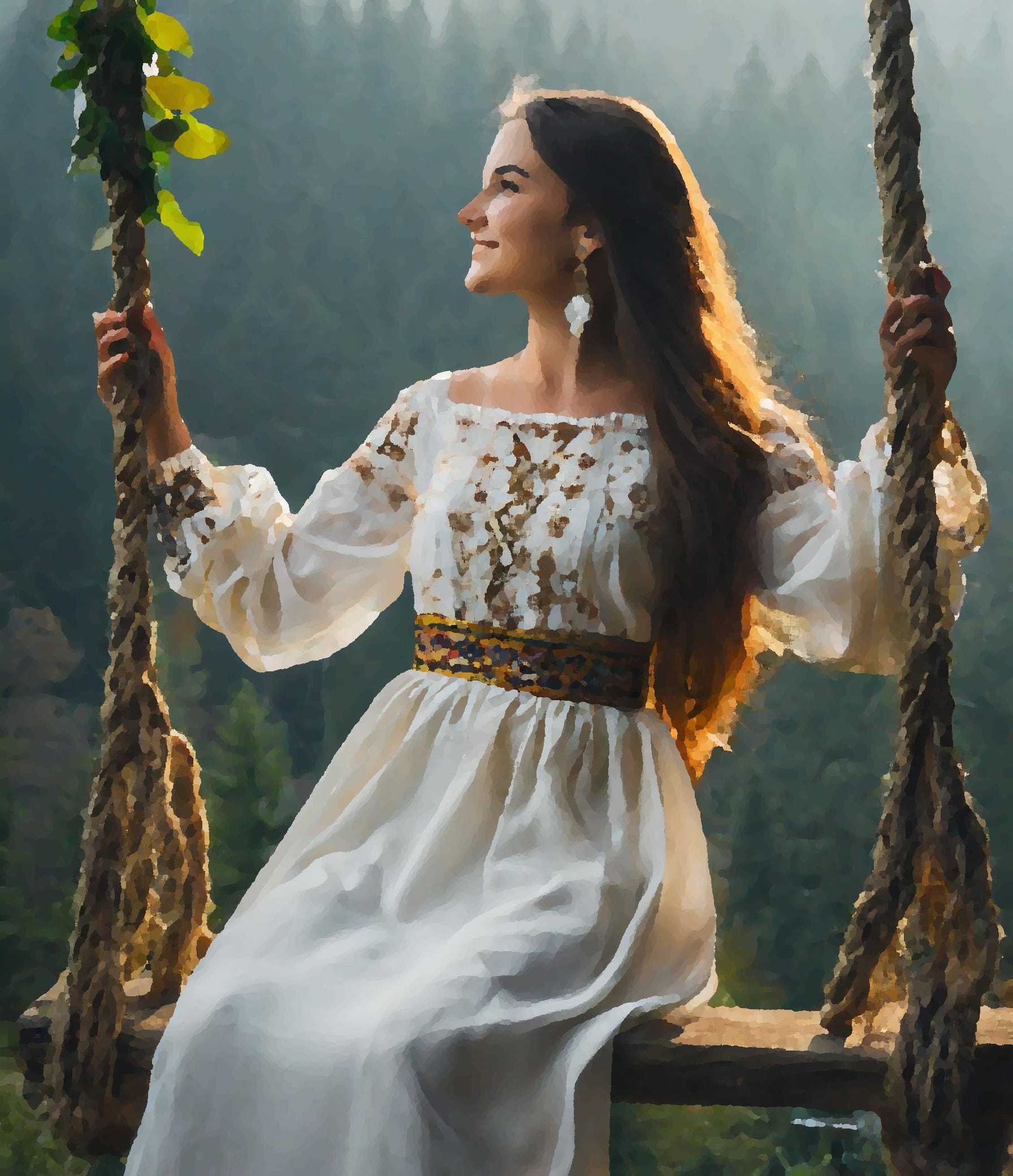
The name "Samodiva" (or “samovila”) is deeply rooted in South Slavic folklore and mythology, particularly in Bulgarian and Serbian traditions. A "Samodiva" is often perceived as a beautiful, ethereal maiden with supernatural powers. In Western Europe, this creature is known as “wila” in the Germanic cultures, and “vila” in the Slavic one.
The label "samodiva" can be dissected into two parts. "Samo" in this part of the world often translates to "self" or "alone," and "diva" is closely related to the word for “divine”, "wild" or "maiden" in Slavic languages. Thus, "Samodiva" can be interpreted as "wild maiden" or "self-willed maiden," reflecting their independent and untamed nature.
3. Why Is She so Special?
Samodivas are often associated with the forest, nature, and certain elements of the natural world, such as water sources, air elements, and animals. They are seen as protectors of the environment, embracing the wild and pristine aspects of nature. There’s no other legendary creature in the Slavic culture with a deeper connection to the natural world, aimed at protecting and guarding Mother Nature than her.
In folklore, samodivas are multifaceted. They’re known for their enchanting beauty, captivating songs, and dance. They can be both benevolent and malevolent, often depicted as representing the dual aspects of nature – nurturing yet unpredictable. As I am building my character, I am feeling indescribable excitement about the portrayal of her transformative powers.
4. The Plot Location Is Not a Coincidence
Strandzha Mountain. It is located in the southeastern part of the Balkans between the plains of Thrace to the west, the lowlands near Burgas to the north, and the Black Sea to the east. This is a mystical and magnetic mountain that hides countless secrets and mysteries and is a place that is favored by many who seek wonders and healing within its forest folds. Practically, the entire mountain is made up of natural reserves and protected areas. I do recommend, if you have a chance, to go trekking in Strandzha mountain and enjoy its breathtaking beauty. And, by the way, if you take a sip of ice-cold, tasty water from one of the many forest springs, I guarantee you that you’ll part with a piece of your soul, you’ll be bound to the place forever. Or at least, that’s what the lore says!
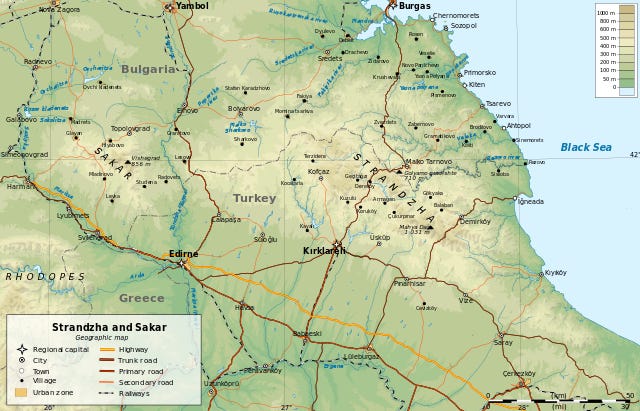
One of the most intriguing aspects of Strandzha mountain is "nestinarstvo" – the enigmatic practice of fire walking. This ritual, deeply rooted in the region's culture, is a stark example of Bulgarian unique spiritual heritage. I will not touch on the act itself in this post here, but I would like to reflect on the profound connection these people have with nature and the unseen forces around them.
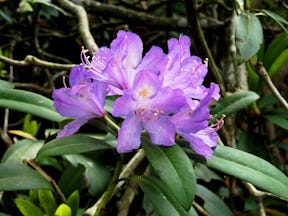
Like every mountain, Strandzha is an encyclopedia of herbs. Within its boundaries, in the territory of Bulgaria, lays one of the most important national parks - the “Silkosia” National Park. It is the only place in Bulgaria where there’s a massive concentration of a samodiva herb - a plant that is attributed to my book character and her powers.
The significance of herb gathering on specific days and the healing powers of the collected herbs, the old-style celebrations, and rituals stemming from paganism are all aspects that my book touches on. These customs and practices are the threads that weave the fabric of the rich Bulgarian culture. They reflect a deep, nature-bound relationship that has been nurtured over centuries.
Stay tuned with me as I continue this magical mountainous journey through mysticism, folklore, and fantasy!